
Asian shares mostly higher ahead of Trump’s deadline for Iran to reopen oil route - AP News
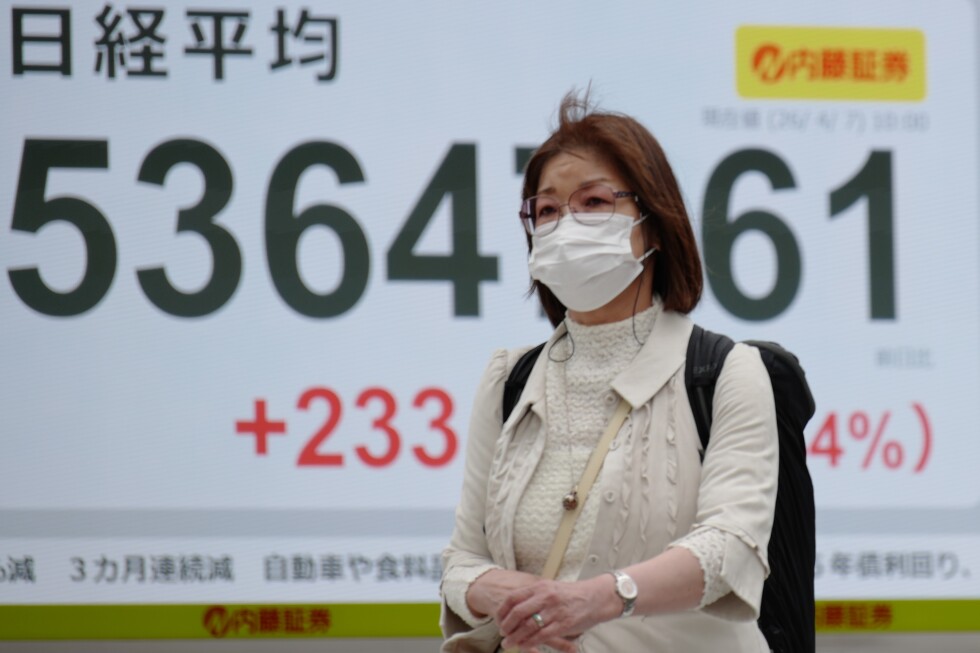
This is PennyNex's analysis of a news story originally published by Associated Press. Read the original article.
Disclaimer
This article is for informational purposes only and does not constitute financial advice. Always consult a qualified financial advisor before making financial decisions. Read our full disclaimer.
The recent surge in Asian markets and oil prices following tensions between the U.S. and Iran over the Strait of Hormuz serves as a stark reminder of how geopolitical events can ripple through global markets and directly impact your wallet. When major shipping routes face potential disruption, the effects extend far beyond distant trading floors to your local gas station and grocery store.
Why Oil Price Spikes Matter to Your Budget
The Strait of Hormuz is a critical chokepoint for global oil transport, handling roughly 20% of the world’s petroleum liquids. When this route faces threats, oil prices typically surge as markets price in potential supply disruptions. This translates to higher gasoline prices within days or weeks, directly affecting your commuting costs, vacation travel expenses, and delivery fees for everything from groceries to online purchases.
Beyond the gas pump, oil price volatility creates a cascading effect throughout the economy. Airlines raise ticket prices, shipping companies increase freight costs, and manufacturers face higher input costs – expenses that eventually reach consumers through higher prices for goods and services.
Market Volatility and Your Investments
Asian markets trading higher amid oil price surges reflects investor uncertainty and flight-to-safety behaviors. If you have investments in index funds, international funds, or energy sector stocks, expect increased volatility during periods of geopolitical tension. While short-term fluctuations are normal, dramatic swings can test even the most disciplined investor’s resolve.
Energy stocks often benefit from oil price spikes, but this sector remains notoriously volatile and difficult to time. Meanwhile, airlines, transportation companies, and consumer discretionary stocks typically face headwinds when oil prices rise sharply.
Preparing for Economic Uncertainty
Smart personal finance management means anticipating these types of external shocks. Building an emergency fund becomes even more crucial when global events can quickly impact your cost of living. Additionally, maintaining a diversified investment portfolio helps cushion against sector-specific volatility during geopolitical crises.
What Should You Do?
First, avoid making impulsive investment decisions based on daily news headlines. Market volatility driven by geopolitical events often proves temporary, and knee-jerk reactions frequently hurt long-term returns.
Second, if you don’t already have one, prioritize building an emergency fund covering 3-6 months of expenses. This buffer provides financial stability when external events cause temporary spikes in living costs or market downturns affect your investment accounts. Consider this recent volatility a reminder that global events can quickly impact your personal finances in unexpected ways.
Share this article